




A Technical Step Forward Turned Backward
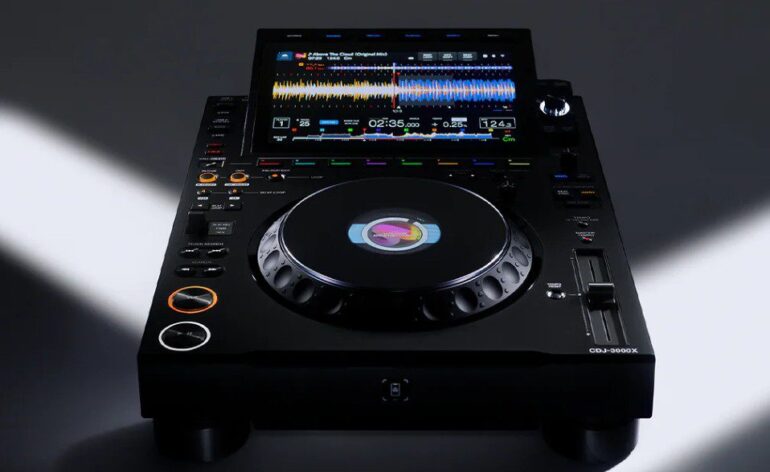
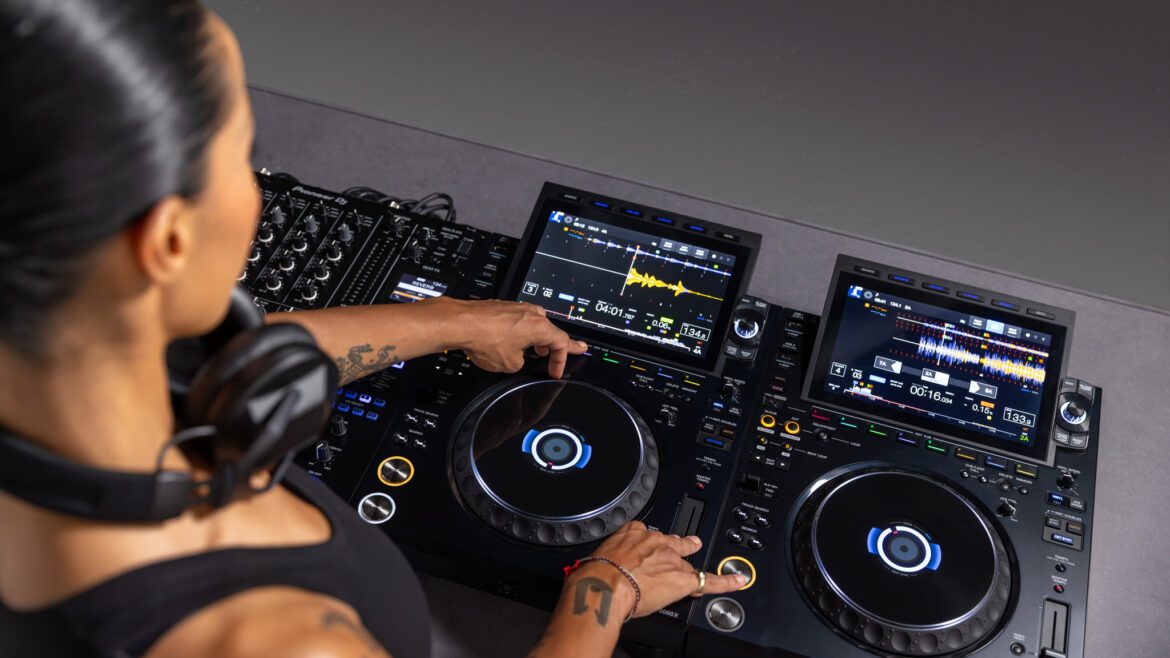
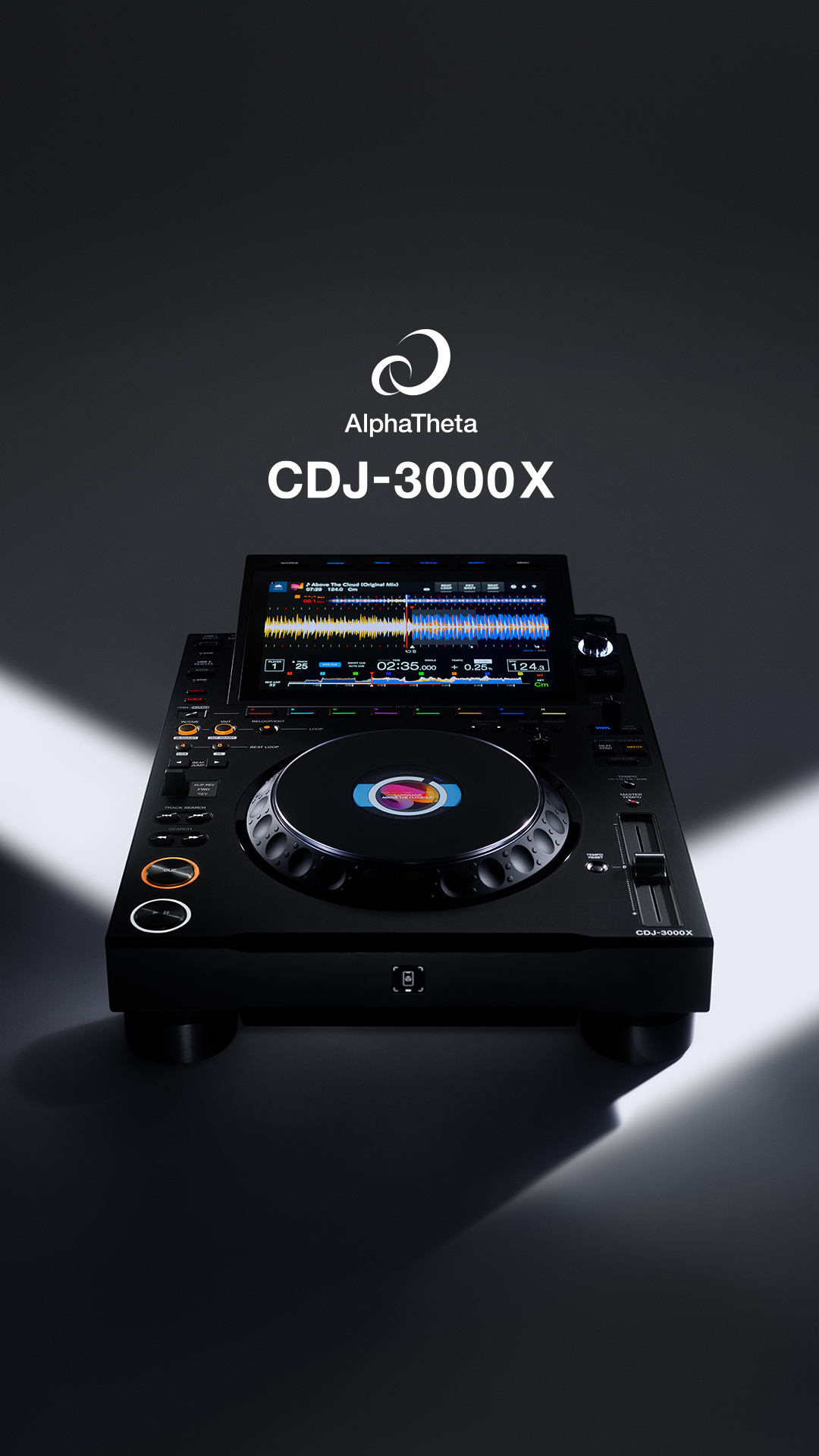
When Pioneer DJ announced the CDJ-3000 Firmware 3.30 update, the promise was clear: greater library compatibility, improved Rekordbox integration, and a smoother workflow across the company’s evolving hardware ecosystem. But within hours of rollout, the global DJ community discovered that this “upgrade” hid a devastating flaw — entire playlists were disappearing from USB drives.
From club veterans to touring headliners, the reaction was immediate and visceral. DJs took to Instagram, Twitter, and Reddit to share the same story: “I plugged in my USB, and everything was gone.”
What was meant to be a simple step into Pioneer’s new OneLibrary architecture has become a cautionary tale about the dangers of innovation without backward safety.
Understanding the CDJ-3000 Firmware 3.30 Update
Before we get into the failure, it’s essential to understand what Pioneer was trying to do.
The 3.30 firmware, released on October 21, 2025, introduced a new file management system built around Rekordbox’s Device Library Plus — the foundation for OneLibrary, a unified music library architecture designed to sync metadata and playlists seamlessly across CDJs, controllers, and Rekordbox software.
The idea made sense: DJs would no longer need to export multiple versions of their music libraries for different devices. Instead, a single format could serve all hardware.
However, this transition was not backward-compatible with the previous Device Library format. If a USB stick contained both formats — a common scenario for DJs managing legacy and updated libraries — the CDJ-3000’s firmware struggled to reconcile the data. The result: playlists either failed to load or appeared blank, leaving DJs staring at an empty screen mid-set.
A Global Glitch: The Fallout
Reports of the issue spread rapidly after BBC Radio 1’s Jaguar posted about her experience during a set at London’s DRUMSHEDS:
“I put both of my USBs in, clicked on my playlist, my tracks, my history — it was all blank.”
Dozens of artists soon echoed the same nightmare — including VTSS, Samurai Breaks, Fleur Shore, and Tiffany Calver — calling it “the worst DJ nightmare imaginable.”
Some, like Jaguar, managed to salvage their sets using backup USBs. Others weren’t as lucky. One Berlin-based artist said she “had to play from someone else’s stick” just to finish her slot.
This wasn’t an isolated problem. It revealed a systemic weakness in Pioneer’s rollout strategy — the lack of migration tools or warnings for overlapping library formats.
Technical Breakdown: Why the Playlists Disappeared
To unpack what actually went wrong, we need to look at how the CDJ handles metadata indexing.
-
The Old Model — Device Library:
Traditional Rekordbox exports create a proprietary database (.PIONEERfolder) containing playlist hierarchies, cue points, and waveform data. -
The New Model — Device Library Plus (OneLibrary):
The new export uses a restructured metadata system optimized for cloud synchronization and cross-device use. -
The Conflict:
When both systems coexist on the same USB, the CDJ-3000 v3.30 firmware prioritizes the OneLibrary format — but fails to fall back to the old database if it encounters incompatibility.
That results in the interface displaying empty playlists, even though tracks still reside physically on the USB. -
The Silent Killer — Auto-Indexing:
The firmware also attempts to auto-index drives for the new format, potentially overwriting the previous playlist structure during initialization.
In short, it wasn’t that the music vanished — it was that the firmware lost the roadmap to locate it.
The Industry Reaction: Anger, Confusion, and Caution
The response from the global DJ community ranged from frustration to disbelief.
rRoxymore, one of Europe’s most outspoken DJs, reshared Jaguar’s video with the caption “Worst DJ nightmare,” while questioning Pioneer’s dominance:
“How did a company like Pioneer end up with total monopoly on DJ equipment?”
Meanwhile, Seattle-based DJ and technologist nohup published a now-viral blog post on miseryconfusion.com advising:
-
Don’t upgrade club CDJs to v3.30 yet.
-
Always carry firmware v3.20 on hand to downgrade club decks if necessary.
-
Keep separate USB drives for old and new Rekordbox libraries.
His advice quickly circulated among club technicians, artist managers, and promoters worldwide.
The Corporate Response: Pioneer DJ’s Official Statement
Parent company AlphaTheta Corporation (formerly Pioneer DJ) issued an official apology, stating:
“We are aware that some users have experienced issues following the recent CDJ-3000 firmware update (version 3.30), and we sincerely apologise for any inconvenience caused. Our team is actively investigating the situation and remains focused on delivering a solution as quickly as possible.”
While the statement acknowledged the issue, it offered no specific ETA for a fix or rollback tool. In the meantime, most DJs and venues have reverted to firmware v3.20 as a stop-gap measure.
Expert Analysis: A Failure of UX Design and Quality Assurance
From a technical standpoint, this incident exposes fundamental gaps in Pioneer DJ’s product testing and communication strategy.
-
1. Backward Compatibility:
Introducing a new library system without robust fallback mechanisms undermines user trust. Professional DJs rely on consistent reliability — not experimental rollouts. -
2. QA and Real-World Testing:
It’s evident the firmware wasn’t tested under realistic field conditions — namely, with drives containing both old and new formats. Beta testing limited to controlled environments can’t substitute for club-ready simulations. -
3. Lack of Warning Prompts:
A simple on-screen alert (“Mixed library formats detected; some playlists may not load”) could have prevented this entire debacle. -
4. Communication Breakdown:
The update’s release notes buried the OneLibrary migration note in fine print — failing to emphasize potential compatibility risks.
This isn’t a case of buggy code; it’s a case of poor change management.
What DJs Can Learn from This Crisis
As the dust settles, several key lessons emerge for working DJs:
-
Never update gear right before a gig.
Even small firmware changes can have unpredictable consequences. Wait for community feedback before upgrading. -
Version Control Matters.
Keep a spreadsheet or note tracking your Rekordbox and firmware versions. Knowing what setup worked last prevents panic when troubleshooting. -
Redundancy Is Your Friend.
Carry at least two USBs with mirrored playlists, and store a third backup in cloud or SSD form. -
Test Before Travel.
Plug your drives into identical gear whenever possible. Many clubs still run older firmware — always confirm version compatibility ahead of shows.
Why This Story Matters for the Future of DJ Technology
Beyond the surface-level chaos, the CDJ-3000 update debacle raises serious questions about the state of innovation in DJ hardware:
-
Are manufacturers prioritizing cloud integration over stability?
Pioneer’s push toward unified libraries and cloud sync features is ambitious — but risky when fundamental reliability falters. -
Is the industry over-reliant on one ecosystem?
With nearly every major venue equipped with Pioneer gear, a single firmware bug can disrupt global touring workflows overnight. -
Where is the competition?
Alternatives like Denon DJ’s SC6000 and Engine OS have improved but remain marginalized. Without healthy competition, oversight weakens.
This event underscores the need for transparency, open beta testing, and user-centric design in music technology.
The Bigger Picture: Creativity Meets Control
Technology should empower creativity — not compromise it. DJs are artists, not system administrators. When software and hardware updates become a gamble, it fractures the fragile trust between performers and the tools they depend on.
As one London DJ aptly commented online:
“We spend more time backing up than mixing. It’s not creative anymore; it’s IT support with BPMs.”
Looking Ahead: Pioneer’s Redemption Path
To recover from this reputational blow, Pioneer DJ must do more than fix the bug. It must rethink its relationship with the community:
-
Implement opt-in beta channels for firmware testing.
-
Offer detailed migration documentation for library transitions.
-
Create firmware rollback tools for club owners and technicians.
-
Collaborate with top artists to validate updates before public release.
If handled correctly, this could mark a turning point — a moment when Pioneer re-earns its place as not just a hardware leader, but a brand that listens.
Conclusion: The Playlist Apocalypse as a Wake-Up Call
The CDJ-3000 Firmware 3.30 crisis will likely be remembered as one of the most consequential tech missteps in modern club culture. Not because it destroyed music — but because it shattered confidence.
From empty playlists to lost sets, the lesson is clear: progress without preservation is regression.
Until the next patch arrives, DJs around the world will keep one mantra close to heart —
“If it ain’t broke, don’t update before your gig.”
Latest news

KATERINA X ‘Crave Me’ Marks a Hypnotic New Chapter in Her Sonic Evolution

Kappa FuturFestival Phase Three Lineup 2026 Expands Global Vision in Torino

LOVEFOXY Launches HOTLORD Records with Empowering ‘Catcall’ EP Featuring Kyle Hall

Bridges for Music IMS Ibiza Charity Cycle 2026: Riding for Education, Unity, and Real Impact

Bedouin SAGA Chinois Ibiza 2026: Full Lineup Revealed for Iconic Residency
Current show

Balearic Magic
Music is so intimate and so personal that when you can find somebody that feels the same way about it that you do, it’s magic. It can be. It really can be.
closeUpcoming shows